
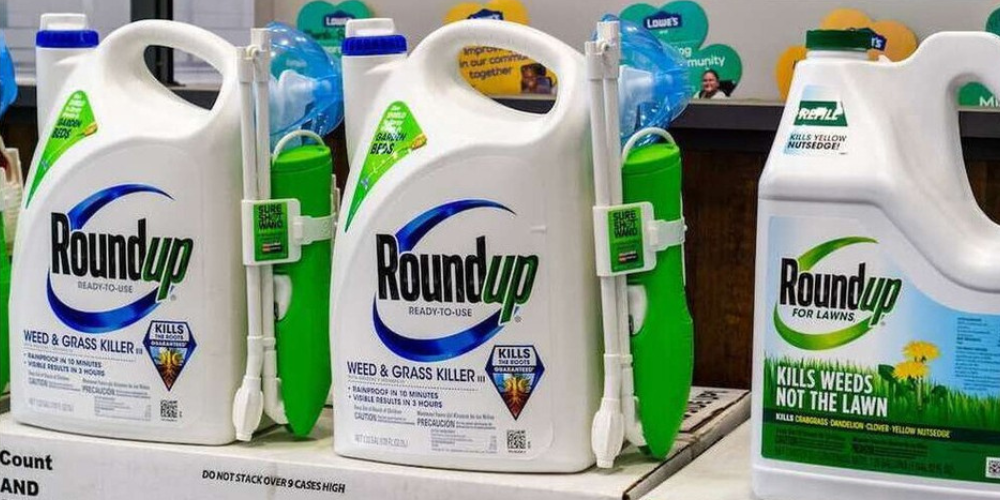
Kentucky Overrides Veto to Shield Bayer From Roundup Cancer Lawsuits
A major legal and political development has unfolded in Kentucky as lawmakers moved to override Governor Andy Beshear’s veto on legislation tied to one of the most debated agricultural products in the United States. The new law may limit lawsuits against Bayer, the global agrochemical and pharmaceutical company that sells the widely used Roundup weedkiller.
The decision arrives at a pivotal moment. The U.S. Supreme Court is preparing to hear arguments in a related case that could shape similar lawsuits nationwide. At the same time, Bayer is seeking court approval for a multibillion-dollar settlement designed to resolve thousands of claims alleging the weedkiller contributed to cancer diagnoses.
This mix of legislative action, courtroom battles, and financial pressure highlights the growing stakes surrounding glyphosate—the chemical at the center of Roundup—and the legal risks facing Bayer.
Lawmakers Move Ahead Despite Objections
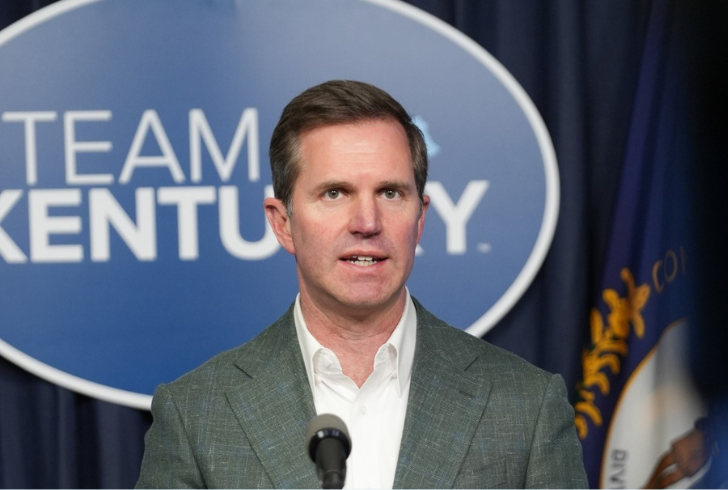
Instagram | govandybeshear | Overriding Governor Beshear, Kentucky lawmakers finalized a bill protecting Bayer from failure to warn Roundup lawsuits.
Kentucky’s Republican-led General Assembly voted Wednesday to override the veto issued by Democratic Governor Andy Beshear. The move allows the new legislation to take effect, potentially protecting Bayer from state-level lawsuits claiming the company failed to warn consumers about cancer risks associated with Roundup.
Supporters of the measure argue that the law brings regulatory clarity to the agricultural sector. The bill states that pesticide labels approved at the federal level meet all legal obligations for warning consumers under state law.
Elizabeth Burns-Thompson, executive director of the agricultural coalition Modern Ag Alliance, praised the decision. She emphasized the need for consistency in farming regulations.
“Farmers need clear, consistent rules to plan for the future and keep their operations profitable,” Burns-Thompson said.
Governor Beshear raised strong objections before lawmakers overrode the veto. As a former Kentucky attorney general, he pointed out that many everyday products—such as cosmetics, personal hygiene items, and household cleaners—already carry detailed warning labels.
In his veto message, Beshear argued that the legislation could weaken consumer protections. He stated that the measure “would allow dangerous pesticides to be sold without having labels warning of the risks of using them. It flies in the face of making America healthy.”
Kentucky now joins North Dakota and Georgia, which passed similar legal protections for pesticide manufacturers in 2024.
How Roundup Became a Major Legal Target
Roundup first entered the market in 1974, when Monsanto introduced the glyphosate-based herbicide. Farmers quickly adopted the product because it effectively kills weeds while allowing crops to thrive when paired with genetically modified seeds designed to resist glyphosate.
The technology helped agricultural producers increase yields while reducing soil disruption caused by frequent tilling.
Bayer acquired Monsanto in 2018, bringing the Roundup brand into its product portfolio. The acquisition also transferred a growing wave of lawsuits alleging that glyphosate exposure can lead to non-Hodgkin lymphoma, a type of cancer affecting the lymphatic system.
Since then, the number of claims has expanded dramatically. Roughly 200,000 lawsuits and legal claims related to Roundup have been filed against Bayer.
The company disputes the allegations that glyphosate causes cancer. Yet the financial pressure from legal battles has become substantial. Bayer has warned that litigation costs threaten the continued sale of glyphosate-based products in the U.S. agricultural market.
As a result, the company already removed glyphosate from newly marketed residential versions of Roundup, though the chemical remains widely used in farming.
Debate Over Glyphosate and Cancer Risk
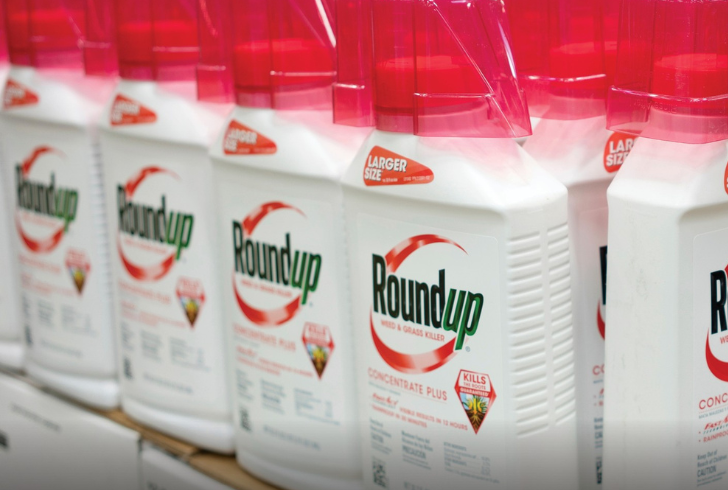
Instagram | americanfarmlandowner | Lawsuits over Roundup center on claims that glyphosate exposure is linked to non-Hodgkin lymphoma.
The controversy around Roundup largely centers on whether glyphosate exposure increases cancer risk.
Some research studies have suggested a possible link between glyphosate and non-Hodgkin lymphoma. Those findings have fueled lawsuits from individuals who say long-term exposure to the weedkiller contributed to their diagnosis.
However, the U.S. Environmental Protection Agency (EPA) maintains a different position. The agency has repeatedly stated that glyphosate is “not likely to be carcinogenic to humans” when the product is used according to instructions.
Because of that assessment, the federally approved label on Roundup products does not include a cancer warning.
This difference in scientific interpretation has become a central point in legal disputes.
Efforts to Limit Failure-to-Warn Lawsuits
Most lawsuits against Bayer focus on a “failure-to-warn” argument. Plaintiffs claim the manufacturer did not properly inform users about potential cancer risks linked to glyphosate exposure.
Bayer and agricultural organizations have responded by supporting legislation designed to block these claims in the future. Through the Modern Ag Alliance, industry groups have promoted bills stating that federally approved pesticide labels already satisfy legal warning requirements.
Under these proposals:
– Federal pesticide labeling standards take priority over state-level warning requirements.
– Manufacturers cannot be held liable for missing warnings if the label follows federal rules.
Kentucky’s new law reflects this strategy.
Supporters say the approach protects farmers and agricultural businesses from regulatory uncertainty. Critics argue it could weaken consumer rights by limiting the ability to challenge product safety in state courts.
Supreme Court Case May Set Nationwide Rule
The broader legal battle may soon reach a defining moment.
The U.S. Supreme Court is scheduled to hear arguments on April 27 in a Missouri case involving Roundup exposure. In that case, a jury awarded $1.25 million to a man who developed non-Hodgkin lymphoma after using the weedkiller while working in a community garden in St. Louis.
Jurors concluded that Monsanto failed to provide sufficient warning about possible cancer risks.
Bayer argues that federal pesticide regulations prevent states from imposing additional labeling requirements. The company says those federal rules should block failure-to-warn lawsuits based on state law.
The case has drawn attention from multiple sides.
About 30 legal briefs have been filed with the Supreme Court by groups including agricultural organizations, business associations, health care groups, plaintiffs’ attorneys, and state officials.
Notably, a group of former Environmental Protection Agency officials filed a brief arguing that the lawsuits should proceed.
Their court filing stated that Monsanto never requested the EPA to include a cancer warning on Roundup labels. As a result, the absence of such a warning should not automatically block lawsuits alleging that the company failed to provide adequate notice.
The legal debate has also triggered political divisions.
The administration of former President Donald Trump has supported Bayer’s position in the Supreme Court case. That stance reverses the legal position taken during former President Joe Biden’s administration.
The disagreement has also exposed differences within the “Make America Healthy Again” movement, where some supporters oppose granting companies broad legal immunity in cases involving potential health risks.
Multibillion-Dollar Settlement Proposal

Instagram | bayerofficial | Bayer is seeking a $7.25 billion settlement to resolve most current and future Roundup failure-to-warn claims.
While awaiting the Supreme Court’s decision, Bayer is also pursuing a large settlement to manage ongoing claims.
A judge in St. Louis Circuit Court recently granted preliminary approval to a proposed settlement worth as much as $7.25 billion. The plan aims to resolve most existing and future Roundup failure-to-warn lawsuits.
The settlement structure includes annual payments into a dedicated compensation fund for up to 21 years. Individuals who believe Roundup exposure contributed to their illness will have the opportunity to seek compensation from that fund.
The compensation amounts would vary depending on several factors: length and type of Roundup exposure, age at the time of diagnosis, and severity of non-Hodgkin lymphoma.
For example, under the proposal:
– Agricultural, turf, or industrial workers with long-term exposure who develop aggressive lymphoma before age 60 could receive an average payout of about $165,000.
– Individuals diagnosed at age 78 or older could receive roughly $10,000 on average.
The settlement also includes a notification period allowing potential claimants to opt out until June 4.
Settlement and the Supreme Court Case
The proposed agreement could reduce uncertainty for both sides of the dispute.
If the Supreme Court ultimately rules in Bayer’s favor, the settlement would still guarantee compensation for individuals who choose to participate. Without the agreement, those claims might face significant legal hurdles.
On the other hand, the settlement protects Bayer from potentially more serious damages if the Supreme Court rules against the company and allows additional lawsuits to proceed.
The fight over Roundup and glyphosate continues to unfold across legislatures, courtrooms, and regulatory agencies. Kentucky’s decision to override Governor Andy Beshear’s veto adds another layer to the debate over pesticide regulation, consumer safety, and corporate liability.
At the same time, the upcoming Supreme Court hearing and the proposed $7.25 billion settlement could shape the future of thousands of claims tied to non-Hodgkin lymphoma.
The outcome will likely influence how pesticide labeling laws interact with state-level lawsuits and may define the legal path for similar cases across the United States.
More in Criminal Attorney
-
 The Duchess of York Sarah Ferguson’s Shocking Ties to Jeffery Epstein Exposed
Sarah Ferguson, better known as ‘Fergie,’ has lived a life that rarely stays quiet. She has moved between royal privilege and...
April 10, 2026 -
 New Housing Law May Help Renters Become Homeowners More Easily
For years, renting felt like a financial dead end for many people. You pay on time every month, yet your credit...
April 4, 2026 -
 Colorado Law Bars Adult Prosecution for 11-YO Accused of Killing His Minor Brother
A quiet neighborhood in Centennial, Colorado, became the center of a heartbreaking investigation after a five-year-old boy was found dead inside...
March 29, 2026 -
 How to Handle Unpleasant Family Habits at Home Without Conflict
Family life isn’t always easy, particularly when someone’s habits start clashing with the way a household runs. From awkward bathroom routines...
March 29, 2026 -
 Britney Spears Rep Calls DUI Arrest an “Inexcusable Incident”
Britney Spears has spent decades in the public eye, but the latest headline about the pop icon carries a serious tone....
March 22, 2026 -
 Atlanta Woman Arrested in $79K Fraud After Impersonating Sheriff Captain
Authorities in Florida recently exposed a disturbing fraud operation that relied on fear, impersonation, and digital money transfers. Investigators say a...
March 22, 2026 -
 GOP Senators Urge Justice Department to Release All Trump Epstein Files
Republican senators are turning up the pressure on the Justice Department. They want every document tied to Jeffrey Epstein released to...
March 15, 2026 -
 Kilmar Abrego Garcia Seeks Dismissal of Tennessee Smuggling Case
Kilmar Abrego Garcia arrived at a federal courthouse in Tennessee as a legal fight surrounding his case continues to draw national...
March 13, 2026 -
 Is It Legal to Prune Your Neighbor’s Tree? Here’s What You Should Know
Trees do not respect property lines. Branches stretch across fences, roots push under patios, and leaves clog gutters all fall long....
March 8, 2026
More From Lawyers Favorite
-
 Criminal AttorneyTupac Murder Trial Takes a Turn as Defense Calls Davis’ Claims “Bullshit”
The murder trial of Tupac Shakur has taken an unusual turn. Duane “Keffe D” Davis, the former gang leader accused of...
September 3, 2026 -
 Celeb JusticeKenny Chesney Wins Court Case in $300K Online Scam
A California appeals court has ruled in favor of country singer Kenny Chesney after a fan sued him over an online...
August 27, 2026 -
 Legal AdviceSprouts $5M Settlement – Eligibility, Deadline and Details
A $5 million proposed settlement involving Sprouts Farmers Market could provide payments to eligible grocery shoppers who received receipts containing too...
August 20, 2026 -
Law DegreeWashington Bar Exam Canceled After NextGen Test Faces Tech Issues
The debut of the new national bar exam faced an unexpected setback after technical failures forced Washington state to cancel its...
August 14, 2026 -
 Criminal AttorneyEurope Fines Google $1 Billion in First Major Digital Markets Act Case
Google is facing one of its biggest regulatory setbacks in Europe after the European Union imposed a €890 million ($1 billion)...
August 7, 2026