
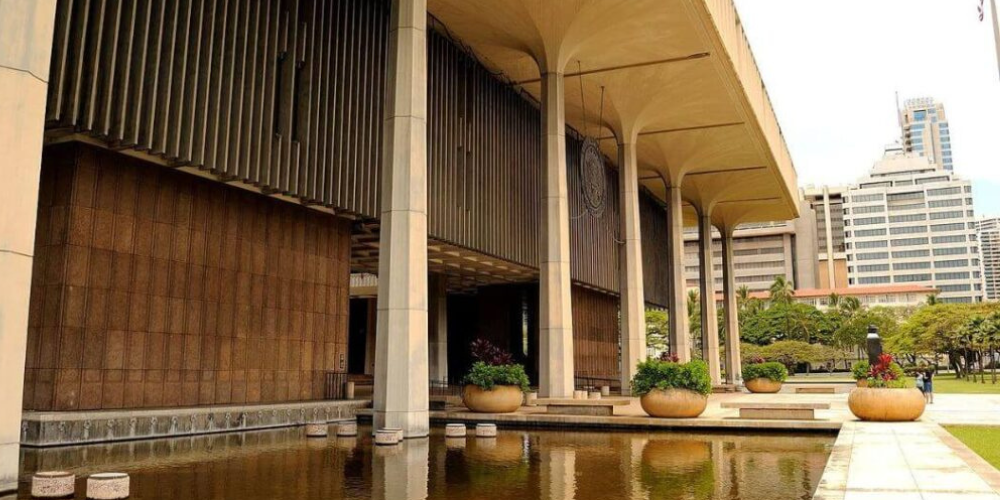
Why Native Hawaiian Programs Are Facing Legal Battles in the U.S.
Legal disputes involving Native Hawaiian programs have gained national attention in recent years. Cases connected to Kamehameha Schools, Native Hawaiian health scholarships, and Hawaiian Home Lands have sparked broader conversations about federal law, Indigenous rights, and equal protection.
While these lawsuits focus on specific programs, the legal questions reach much deeper. The central issue is whether Native Hawaiians should be viewed as a racial group under civil rights law or as an Indigenous people with a distinct political relationship with the United States.
Understanding this legal foundation helps explain why these cases continue to shape public debate.
The Core Legal Question
According to Derek Kauanoe, Assistant Professor at the William S. Richardson School of Law, the lawsuits are rooted in one key legal issue: how federal law defines Native Hawaiians.
Supporters of Native Hawaiian programs argue that Native Hawaiians are an Indigenous people with a unique historical and political relationship with the United States. This relationship has been recognized repeatedly through federal legislation. Opponents, however, generally argue that these programs should be evaluated as race-based initiatives under equal protection and civil rights laws.
Because of this difference in legal interpretation, courts must determine which legal framework applies before evaluating the programs themselves.

Instagram | uhmlaw | Law professor Derek Kauanoe states the lawsuits hinge on the federal definition of Native Hawaiians.
How Congress Defines Native Hawaiians
Congress has addressed the legal status of Native Hawaiians through several federal laws. One of the most frequently cited examples appears in the Native Hawaiian Education Act, which states:
“Native Hawaiians are a distinct and unique indigenous people…”
The law also explains:
“Congress does not extend services to Native Hawaiians because of their race, but because of their unique status as the indigenous people of a once sovereign nation as to whom the United States has established a trust relationship.”
Congress added another significant finding by stating:
“The political status of Native Hawaiians is comparable to that of American Indians and Alaska Natives.”
These statements carry legal importance because they show that Congress viewed Native Hawaiians through an Indigenous political and trust-based framework rather than as a racial classification alone. As a result, many federal programs were designed around that relationship instead of traditional race-conscious policies.
Why the Legal Distinction Matters
Federal law has historically treated Indigenous peoples differently from racial groups. Laws involving Indigenous communities often arise from political relationships, treaty obligations, trust responsibilities, and historical commitments between the federal government and Indigenous peoples.
This legal approach differs from laws that classify people based on race. For that reason, many of today’s lawsuits focus on whether Native Hawaiian programs should be analyzed under federal Indian law or under standard racial discrimination principles.
The answer could influence how courts evaluate education, housing, healthcare, and cultural preservation programs created specifically for Native Hawaiians.
The Role of “Morton v. Mancari”
A major legal precedent frequently discussed in these cases is “Morton v. Mancari.”
The U.S. Supreme Court reviewed hiring preferences for members of federally recognized tribes working within the Bureau of Indian Affairs. The Court upheld the hiring preference, explaining that it was political rather than racial because it reflected the federal government’s special relationship with tribal nations.
The decision emphasized that Congress holds unique responsibilities toward Indigenous peoples. Supporters of Native Hawaiian programs often reference “Morton v. Mancari” because Congress has repeatedly recognized Native Hawaiians as an Indigenous people with trust-related obligations under federal law.
Although the facts differ from current lawsuits, the case continues to influence legal arguments surrounding Indigenous classifications.
Federal Recognition Issues

Instagram | hawaiiancouncil | Native Hawaiians lack official tribal status but retain strong legislative recognition from Congress.
One question frequently raised is whether Native Hawaiians should be treated the same as federally recognized American Indian tribes.
Native Hawaiians do not currently have the same formal government-to-government relationship with the United States that federally recognized tribes possess. Even so, Congress has acknowledged Native Hawaiians through legislation on numerous occasions.
The Native Hawaiian Education Act and the Native Hawaiian Health Care Act both recognize Native Hawaiians as an Indigenous people with a unique political relationship to the United States.
At the same time, Congress has enacted well over one hundred laws specifically addressing Native Hawaiian interests. These laws cover areas such as healthcare, education, housing, language preservation, cultural protection, and self-determination.
As a result, an important legal question remains: must Indigenous political status always depend on a formally recognized tribal government, or can Congress recognize Indigenous peoples through legislation alone? That issue continues to appear in modern court challenges.
How Hawaii’s Overthrow Fuels the Debate
The history of the Hawaiian Kingdom remains central to these legal debates.
In earlier federal Indian law cases, the U.S. Supreme Court recognized that American Indian tribes existed as sovereign governments before the United States was established. That recognition supports their political status under federal law.
Congress has also acknowledged that the Hawaiian Kingdom was once a sovereign, internationally recognized nation. Federal findings state that U.S. officials and military forces played a role in its overthrow, leading to the loss of Native Hawaiian self-determination.
Supporters argue that federal programs for Native Hawaiians—including education, healthcare, housing, and cultural preservation—help address the long-term effects of land loss, political displacement, and persistent social and economic disparities.
The outcome of these legal challenges could determine how federal law defines Native Hawaiians, clarify Congress’s authority to establish such programs, and influence the future of these initiatives for years to come.
More in Legal Advice
-
 The Duchess of York Sarah Ferguson’s Shocking Ties to Jeffery Epstein Exposed
Sarah Ferguson, better known as ‘Fergie,’ has lived a life that rarely stays quiet. She has moved between royal privilege and...
April 10, 2026 -
 New Housing Law May Help Renters Become Homeowners More Easily
For years, renting felt like a financial dead end for many people. You pay on time every month, yet your credit...
April 4, 2026 -
 Colorado Law Bars Adult Prosecution for 11-YO Accused of Killing His Minor Brother
A quiet neighborhood in Centennial, Colorado, became the center of a heartbreaking investigation after a five-year-old boy was found dead inside...
March 29, 2026 -
 How to Handle Unpleasant Family Habits at Home Without Conflict
Family life isn’t always easy, particularly when someone’s habits start clashing with the way a household runs. From awkward bathroom routines...
March 29, 2026 -
 Britney Spears Rep Calls DUI Arrest an “Inexcusable Incident”
Britney Spears has spent decades in the public eye, but the latest headline about the pop icon carries a serious tone....
March 22, 2026 -
 Atlanta Woman Arrested in $79K Fraud After Impersonating Sheriff Captain
Authorities in Florida recently exposed a disturbing fraud operation that relied on fear, impersonation, and digital money transfers. Investigators say a...
March 22, 2026 -
 GOP Senators Urge Justice Department to Release All Trump Epstein Files
Republican senators are turning up the pressure on the Justice Department. They want every document tied to Jeffrey Epstein released to...
March 15, 2026 -
 Kilmar Abrego Garcia Seeks Dismissal of Tennessee Smuggling Case
Kilmar Abrego Garcia arrived at a federal courthouse in Tennessee as a legal fight surrounding his case continues to draw national...
March 13, 2026 -
 Is It Legal to Prune Your Neighbor’s Tree? Here’s What You Should Know
Trees do not respect property lines. Branches stretch across fences, roots push under patios, and leaves clog gutters all fall long....
March 8, 2026
More From Lawyers Favorite
-
 Criminal AttorneyTupac Murder Trial Takes a Turn as Defense Calls Davis’ Claims “Bullshit”
The murder trial of Tupac Shakur has taken an unusual turn. Duane “Keffe D” Davis, the former gang leader accused of...
September 3, 2026 -
 Celeb JusticeKenny Chesney Wins Court Case in $300K Online Scam
A California appeals court has ruled in favor of country singer Kenny Chesney after a fan sued him over an online...
August 27, 2026 -
 Legal AdviceSprouts $5M Settlement – Eligibility, Deadline and Details
A $5 million proposed settlement involving Sprouts Farmers Market could provide payments to eligible grocery shoppers who received receipts containing too...
August 20, 2026 -
Law DegreeWashington Bar Exam Canceled After NextGen Test Faces Tech Issues
The debut of the new national bar exam faced an unexpected setback after technical failures forced Washington state to cancel its...
August 14, 2026 -
 Criminal AttorneyEurope Fines Google $1 Billion in First Major Digital Markets Act Case
Google is facing one of its biggest regulatory setbacks in Europe after the European Union imposed a €890 million ($1 billion)...
August 7, 2026