
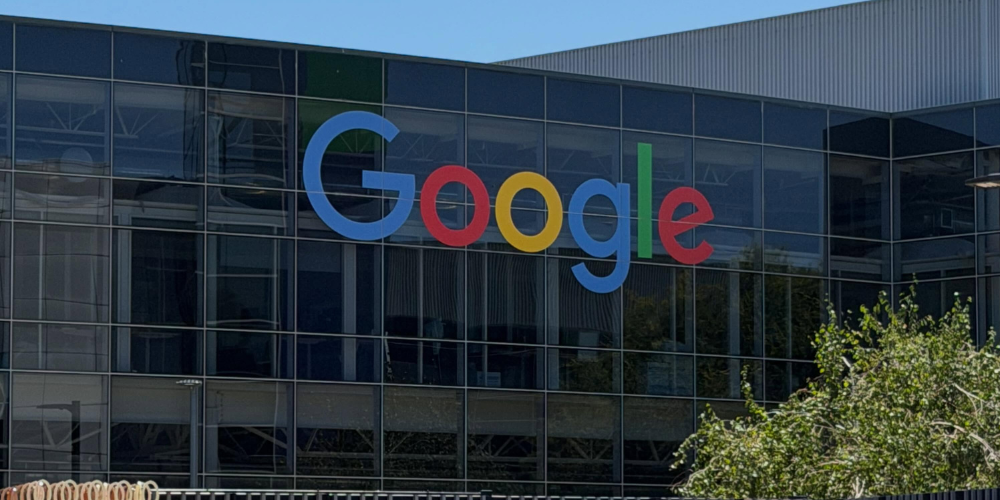
Europe Fines Google $1 Billion in First Major Digital Markets Act Case
Google is facing one of its biggest regulatory setbacks in Europe after the European Union imposed a €890 million ($1 billion) fine for violating the Digital Markets Act (DMA). The decision marks the first time the EU has penalized a company under the sweeping law created to encourage fair competition across digital markets.
European regulators concluded that Google gave its own services an unfair advantage in search results while also limiting how app developers could connect with customers outside the Google Play Store.
The ruling arrives as tensions over digital regulation and international trade continue to grow between Europe and the United States.
Why the European Union Penalized Google

Instagram | hennavirkkunen | Henna Virkkunen accused Google of unfairly prioritizing its own search results and restricting Play Store developers.
The European Commission, the executive branch of the European Union, announced that Google failed to comply with two major provisions of the Digital Markets Act.
According to the Commission, Google promoted its own services—including hotel bookings, shopping listings, and transportation options—more prominently than competing businesses on Google Search. Regulators said Google’s services consistently received better placement through enhanced visuals, dedicated filters, and top search positions, making it harder for competing platforms to gain similar visibility.
Henna Virkkunen, the European Commissioner responsible for tech sovereignty, explained the Commission’s findings in a statement.
“We found that Google harms businesses offering similar services, such as shopping or sports, by not granting them the same level of prominence on Google Search.”
She also said regulators found that Google limited app developers by preventing them from directing users to lower-priced offers outside the Google Play Store.
Breakdown of the $1 Billion Fine
The Commission divided the penalties into two separate violations.
€460 million ($524.7 million) for favoring Google’s own services in Search.
€430 million ($490 million) for restricting app developers’ ability to promote alternative purchasing options.
European officials said the amount reflects both the seriousness of the violations and the length of Google’s non-compliance. The Commission also acknowledged that Google had already begun testing and introducing some changes after discussions with regulators.
Google strongly disagreed with the ruling and argued that the Digital Markets Act is reducing the quality of products available to European users.
Kent Walker, Google’s President of Global Affairs, said the company is being forced to remove features that consumers regularly use.
“To comply, we are having to strip away real-time Search features Europeans love – like instant pricing and direct availability for hotels, flights, and restaurants – and dismantle safety protections on Google Play.”
Google now has 60 days to implement the measures ordered by the European Commission. Those changes include allowing app developers to communicate directly with users and enter contracts outside the Google Play Store. Failure to comply could result in additional financial penalties.
Trade Tensions Add Another Layer

Instagram | realdonaldtrump | Trump warned Europe of heavy tariffs if they continue to target U.S. tech companies.
The ruling comes at a sensitive political moment. U.S. President Donald Trump has warned that Europe could face “substantial additional tariffs” on European goods in response to actions targeting American technology companies.
Jamieson Greer, the U.S. Trade Representative, criticized the European Commission’s decision. He said recent enforcement under the Digital Markets Act could hurt constructive talks. Greer also warned that the move creates “a real risk to the continuation of transatlantic stability with respect to trade.”
Even so, the European Commission said it will continue working with Google. The goal is to ensure the company follows the latest ruling and fully complies with the Digital Markets Act.
European Commissioner Teresa Ribera also defended the decision. She said, “The best products should succeed because they’re better, not because they’re owned by the company running the search engine.”
Ribera also said consumers should have access to the best offers from app developers. Those offers should remain available even when purchases happen outside the Google Play Store.
Google now has 60 days to comply with the European Commission’s order. The company must make the required changes or face additional penalties. This ruling marks one of the first major enforcement actions under the Digital Markets Act. It may also influence how large digital platforms operate across the European Union in the future.
More in Criminal Attorney
-
 Michigan Woman Accused of Locking Sister-in-Law in Basement for Two Years
A disturbing case in Saginaw, Michigan has raised serious concerns after a 58-year-old woman was allegedly held inside a basement for...
April 23, 2026 -
 Kentucky Overrides Veto to Shield Bayer From Roundup Cancer Lawsuits
A major legal and political development has unfolded in Kentucky as lawmakers moved to override Governor Andy Beshear’s veto on legislation...
April 17, 2026 -
 The Duchess of York Sarah Ferguson’s Shocking Ties to Jeffery Epstein Exposed
Sarah Ferguson, better known as ‘Fergie,’ has lived a life that rarely stays quiet. She has moved between royal privilege and...
April 10, 2026 -
 New Housing Law May Help Renters Become Homeowners More Easily
For years, renting felt like a financial dead end for many people. You pay on time every month, yet your credit...
April 4, 2026 -
 Colorado Law Bars Adult Prosecution for 11-YO Accused of Killing His Minor Brother
A quiet neighborhood in Centennial, Colorado, became the center of a heartbreaking investigation after a five-year-old boy was found dead inside...
March 29, 2026 -
 How to Handle Unpleasant Family Habits at Home Without Conflict
Family life isn’t always easy, particularly when someone’s habits start clashing with the way a household runs. From awkward bathroom routines...
March 29, 2026 -
 Britney Spears Rep Calls DUI Arrest an “Inexcusable Incident”
Britney Spears has spent decades in the public eye, but the latest headline about the pop icon carries a serious tone....
March 22, 2026 -
 Atlanta Woman Arrested in $79K Fraud After Impersonating Sheriff Captain
Authorities in Florida recently exposed a disturbing fraud operation that relied on fear, impersonation, and digital money transfers. Investigators say a...
March 22, 2026 -
 GOP Senators Urge Justice Department to Release All Trump Epstein Files
Republican senators are turning up the pressure on the Justice Department. They want every document tied to Jeffrey Epstein released to...
March 15, 2026
More From Lawyers Favorite
-
 Legal AdviceDavid Yannetti Praises Lindsay Clancy’s Lawyer Amid Jury Deadlock
The Lindsay Clancy murder trial has reached another tense stage as jurors remain unable to reach a unanimous verdict. After six...
September 18, 2026 -
 Law DegreeLaw School Applications Reach Record High for 2026
Law school demand continues to rise, with applications for fall 2026 reaching another record level. New statistics from the Law School...
September 11, 2026 -
 Criminal AttorneyTupac Murder Trial Takes a Turn as Defense Calls Davis’ Claims “Bullshit”
The murder trial of Tupac Shakur has taken an unusual turn. Duane “Keffe D” Davis, the former gang leader accused of...
September 3, 2026 -
 Celeb JusticeKenny Chesney Wins Court Case in $300K Online Scam
A California appeals court has ruled in favor of country singer Kenny Chesney after a fan sued him over an online...
August 27, 2026 -
 Legal AdviceSprouts $5M Settlement – Eligibility, Deadline and Details
A $5 million proposed settlement involving Sprouts Farmers Market could provide payments to eligible grocery shoppers who received receipts containing too...
August 20, 2026