
Why Celebrity Trials Are Becoming Cultural Spectacles
Celebrity trials aren’t just courtroom proceedings anymore—they’ve morphed into full-scale cultural spectacles. Livestreamed, sliced into viral clips, dissected on talk shows and podcasts, and spun into memes, they grip us like our favorite drama series.
But this obsession isn’t new. The O.J. Simpson trial in ’94 laid the groundwork. With cameras in the courtroom and stars taking the stand, the whole country tuned in. But it wasn’t just about the case. It tapped into something deeper—race, justice, fame.
What’s changed is scale. Back then, it played out on national TV. Now, trials go global in real time. When Depp and Heard faced off, TikTok lit up like a digital courtroom, complete with highlight reels and fan-made narratives. People picked sides like it was a sporting event. Justice became secondary to viral content.
This shift didn’t just happen because of technology. It is because we treat celebrities like characters in a never-ending reality show. The courtroom is just another stage. The lawyers are supporting actors. The verdict is a plot twist.
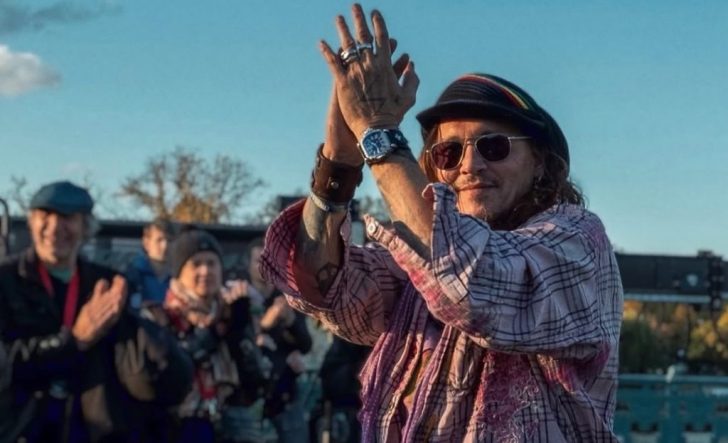
Johnny Depp / IG / Look at how the media covers these cases. They don’t just report facts. They spin narratives. Victims and defendants become heroes or villains. Headlines get juicier by the day.
Everything is framed for maximum drama. The more outrageous, the better. And we eat it up. Even serious allegations get turned into jokes or gossip. Take Kim Kardashian’s robbery trial. She was held at gunpoint, tied up in a bathtub. People didn’t respond with compassion—they laughed, made jokes, and said she had it coming. Celebrity has a way of distorting how we process genuine pain.
During Harvey Weinstein’s retrial, public fascination had little to do with legal justice. Most folks weren’t watching because they cared about justice. They were there for the fall of a giant. It wasn’t about law; it was about spectacle.
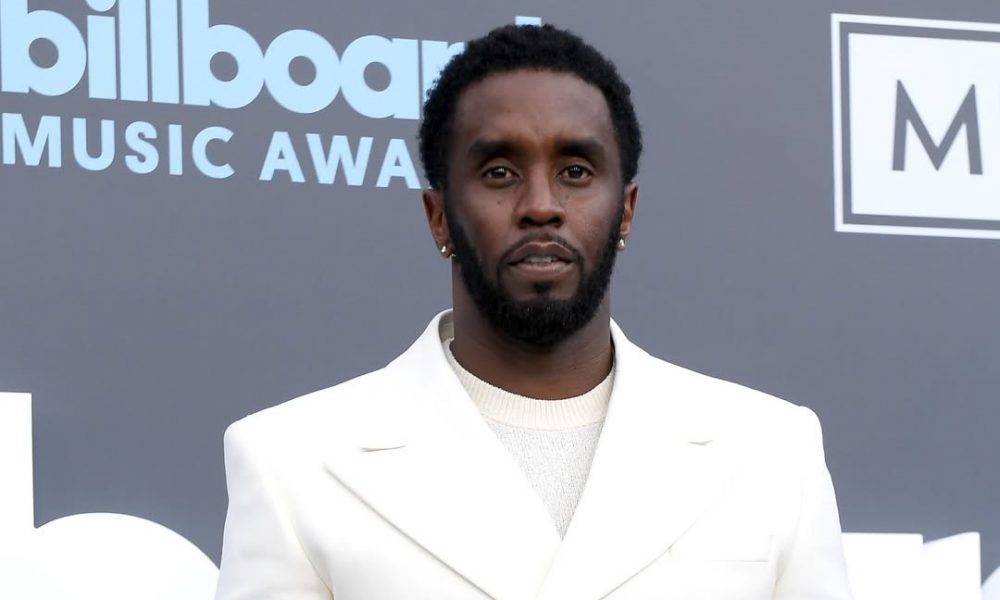
Same with Diddy’s trial. Rumors and TikToks outran verified facts. Everyone had an opinion, but few cared about the actual case. Truth didn’t stand a chance against the algorithm.
It Changes the Way We Look at Justice
Celebrity trials also change how we think justice should work. Instead of relying on evidence, people judge based on vibes. A good outfit, a slick statement, or a funny lawyer can sway millions. Trial by jury becomes trial by public opinion. The lines between law and likes blur fast.
However, this is not harmless entertainment. Real people are involved. Victims relive trauma in the spotlight. Defendants get dehumanized. Jurors might get influenced by TikTok, not testimony. Trials are supposed to be about facts, not fan theories.
And yet, there is a reason we can’t look away. Psychologists say it taps into something deep. We are drawn to fame. We like to watch the powerful fall. There is a kind of twisted pleasure in seeing the rich and famous go through what seems like justice. Some call it schadenfreude. Others call it accountability. Maybe it is both.
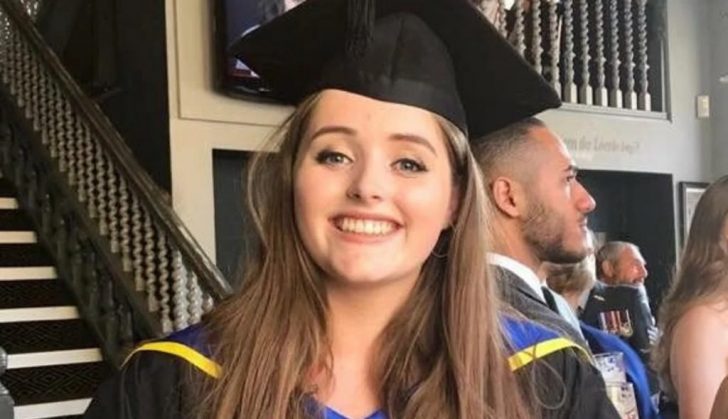
NZ Herald / IG / In the Grace Millane case, a young woman was murdered while traveling. Instead of compassion, the media dissected her dating life, her choices, and her worth.
Headlines sensationalized her story. The coverage wasn’t about justice. It was more about clicks.
This is where the big question comes in: where is the line? We need transparency in courtrooms. But we also need to protect dignity, truth, and humanity. Right now, the scale is tipping too far toward performance. Trials shouldn’t feel like reality TV.
Some experts think it’s time for new rules. Not to silence the press, but to stop the circus. Limit cameras. Protect victims’ identities. Stop turning the court into content. Because if justice is just entertainment, everyone loses.
More in Celeb Justice
-
 Kentucky Overrides Veto to Shield Bayer From Roundup Cancer Lawsuits
A major legal and political development has unfolded in Kentucky as lawmakers moved to override Governor Andy Beshear’s veto on legislation...
April 17, 2026 -
 The Duchess of York Sarah Ferguson’s Shocking Ties to Jeffery Epstein Exposed
Sarah Ferguson, better known as ‘Fergie,’ has lived a life that rarely stays quiet. She has moved between royal privilege and...
April 10, 2026 -
 New Housing Law May Help Renters Become Homeowners More Easily
For years, renting felt like a financial dead end for many people. You pay on time every month, yet your credit...
April 4, 2026 -
 Colorado Law Bars Adult Prosecution for 11-YO Accused of Killing His Minor Brother
A quiet neighborhood in Centennial, Colorado, became the center of a heartbreaking investigation after a five-year-old boy was found dead inside...
March 29, 2026 -
 How to Handle Unpleasant Family Habits at Home Without Conflict
Family life isn’t always easy, particularly when someone’s habits start clashing with the way a household runs. From awkward bathroom routines...
March 29, 2026 -
 Britney Spears Rep Calls DUI Arrest an “Inexcusable Incident”
Britney Spears has spent decades in the public eye, but the latest headline about the pop icon carries a serious tone....
March 22, 2026 -
 Atlanta Woman Arrested in $79K Fraud After Impersonating Sheriff Captain
Authorities in Florida recently exposed a disturbing fraud operation that relied on fear, impersonation, and digital money transfers. Investigators say a...
March 22, 2026 -
 GOP Senators Urge Justice Department to Release All Trump Epstein Files
Republican senators are turning up the pressure on the Justice Department. They want every document tied to Jeffrey Epstein released to...
March 15, 2026 -
 Kilmar Abrego Garcia Seeks Dismissal of Tennessee Smuggling Case
Kilmar Abrego Garcia arrived at a federal courthouse in Tennessee as a legal fight surrounding his case continues to draw national...
March 13, 2026
More From Lawyers Favorite
-
 Criminal AttorneyTupac Murder Trial Takes a Turn as Defense Calls Davis’ Claims “Bullshit”
The murder trial of Tupac Shakur has taken an unusual turn. Duane “Keffe D” Davis, the former gang leader accused of...
September 3, 2026 -
 Celeb JusticeKenny Chesney Wins Court Case in $300K Online Scam
A California appeals court has ruled in favor of country singer Kenny Chesney after a fan sued him over an online...
August 27, 2026 -
 Legal AdviceSprouts $5M Settlement – Eligibility, Deadline and Details
A $5 million proposed settlement involving Sprouts Farmers Market could provide payments to eligible grocery shoppers who received receipts containing too...
August 20, 2026 -
Law DegreeWashington Bar Exam Canceled After NextGen Test Faces Tech Issues
The debut of the new national bar exam faced an unexpected setback after technical failures forced Washington state to cancel its...
August 14, 2026 -
 Criminal AttorneyEurope Fines Google $1 Billion in First Major Digital Markets Act Case
Google is facing one of its biggest regulatory setbacks in Europe after the European Union imposed a €890 million ($1 billion)...
August 7, 2026